
A soft room is more than just a design trend. It is a feeling. It is the sense of calm you get when you step into a space that feels gentle, welcoming, and peaceful. Soft room decor focuses on comfort, light colors, cozy textures, and thoughtful details that make a room feel safe and relaxing. Whether you are decorating a bedroom, living room, or small personal space, soft room ideas can completely change how your home feels.
In this blog post, you will discover ten soft room ideas that help you create a cozy, calming environment. These ideas work well for Pinterest inspiration because they are timeless, easy to adapt, and visually soothing. You do not need a large budget or a big space to create a soft room. With the right choices, any room can feel warm and inviting.
Let us explore how to design a soft room that feels like a peaceful retreat.
1. Neutral Color Palettes for a Soft Foundation
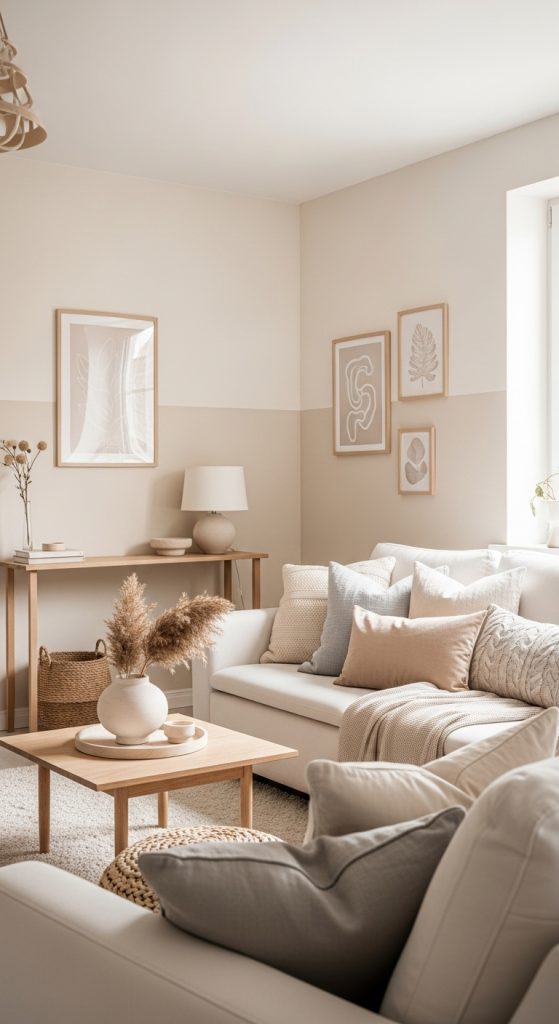
The base of any soft room starts with color. Neutral and light color palettes instantly create a calm atmosphere. Shades like cream, beige, soft white, light gray, blush, and warm taupe work beautifully in soft room decor.
Neutral colors reflect light better, making a room feel airy and open. They also create a relaxing background that does not overwhelm the senses. Instead of using bright or bold colors, focus on gentle tones that blend seamlessly together.
You can layer different neutral shades to add depth without losing the softness. For example, pair warm white walls with beige furniture and light gray accents. This keeps the room visually interesting while maintaining a peaceful look.
Soft color palettes are perfect for bedrooms, reading corners, and living spaces where relaxation is the main goal.
2. Cozy Textiles That Invite Comfort
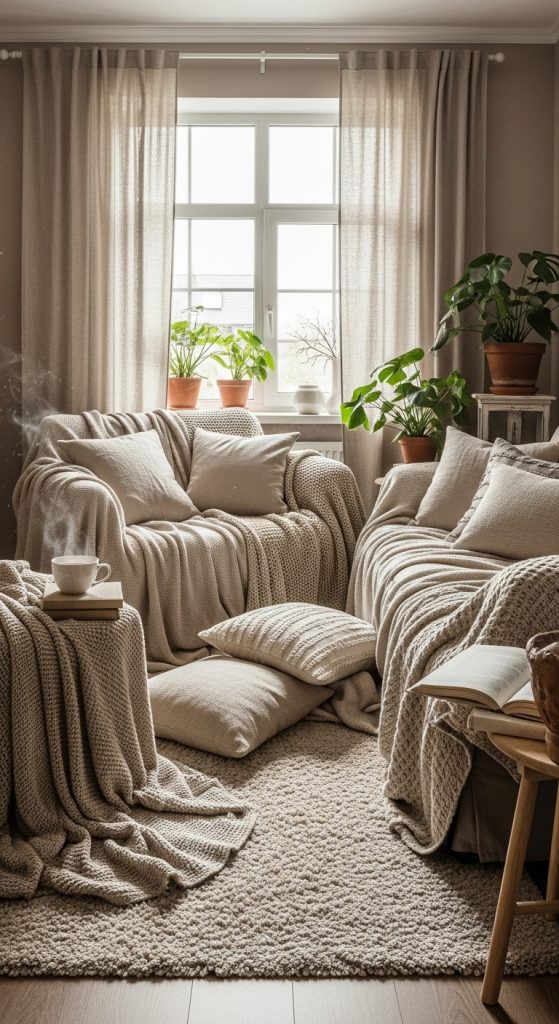
Textiles play a major role in creating a soft room. The more inviting the textures, the cozier the space feels. Think about materials that feel good to touch and look gentle to the eye.
Soft bedding, plush throw blankets, linen curtains, and fluffy rugs instantly add warmth. Layering different textiles is key. A bed with cotton sheets, a quilt, and a knitted throw looks both stylish and comfortable. In living rooms, cushions with soft fabrics like velvet, chenille, or boucle can transform a sofa.
Curtains should be light and flowing rather than heavy. Sheer or linen curtains allow natural light to filter in while maintaining privacy.
When choosing textiles, stick to calming colors and subtle patterns. This keeps the room feeling soft rather than busy.
3. Soft Lighting for a Warm Atmosphere
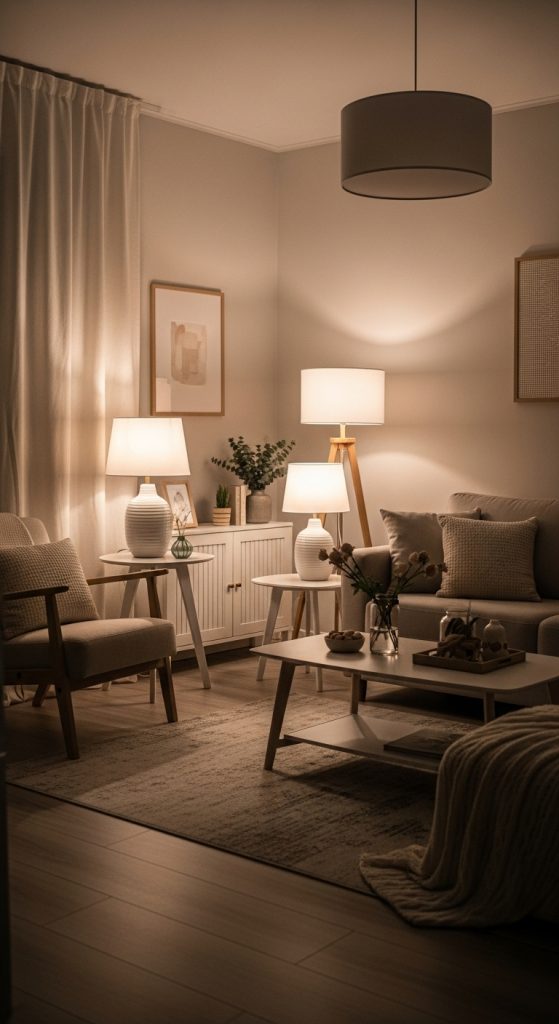
Lighting can completely change the mood of a room. Soft rooms rely on warm, gentle lighting rather than harsh overhead lights. The goal is to create a cozy glow that feels relaxing at any time of day.
Table lamps, floor lamps, wall sconces, and fairy lights are perfect for soft lighting. Choose warm white bulbs instead of cool white. Warm light makes the room feel more inviting and comfortable.
Layer your lighting by using multiple light sources at different heights. For example, a bedside lamp, a floor lamp in the corner, and a small decorative light on a shelf can create a balanced and calming effect.
Avoid overly bright lights. Soft lighting helps the room feel peaceful and ideal for unwinding after a long day.
4. Minimalist Decor with Thoughtful Details
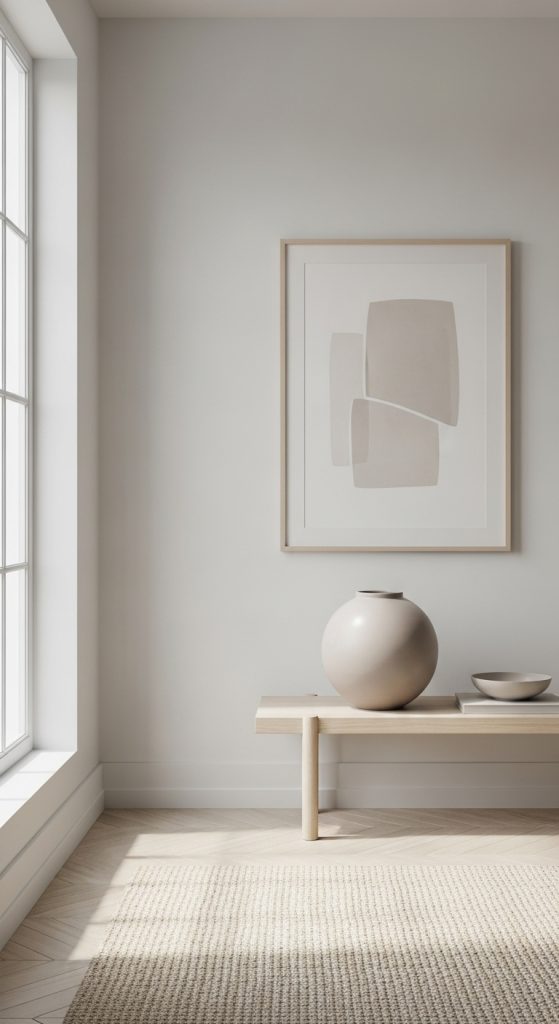
A soft room does not need to be filled with many decorations. In fact, less is more. Minimalist decor helps the space feel open and calm.
Choose a few meaningful decor pieces instead of many small items. This could include a ceramic vase, a framed art print, a simple mirror, or a small sculpture. Each item should add beauty without cluttering the space.
Wall decor should be simple and soothing. Nature inspired artwork, abstract designs in neutral tones, or soft photography work very well.
By keeping decor minimal and intentional, the room feels balanced and stress free.
5. Natural Materials for a Calm and Earthy Feel
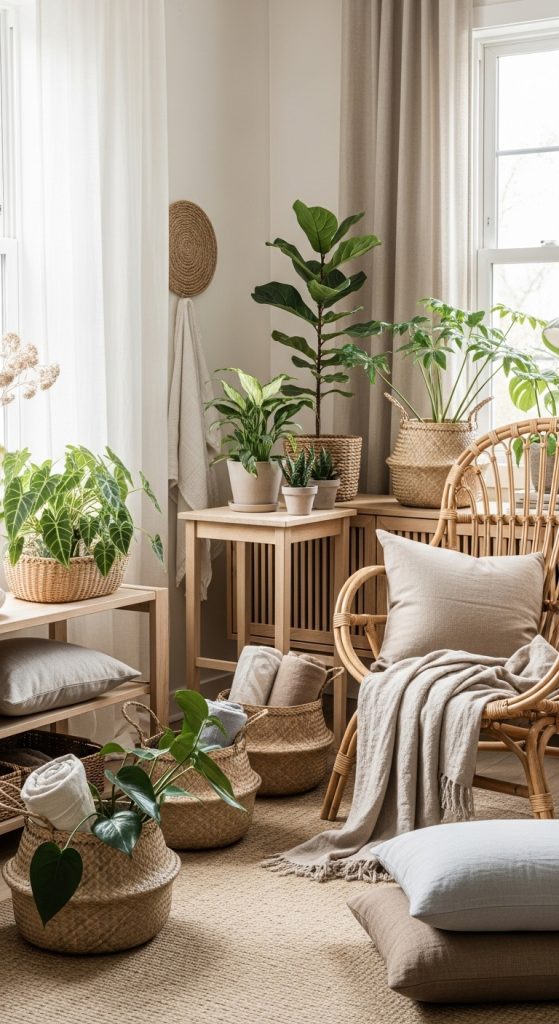
Natural materials bring warmth and softness into a room. Wood, cotton, linen, wool, and rattan are excellent choices for soft room decor.
Wood furniture with a light or natural finish adds warmth without feeling heavy. Rattan baskets, woven trays, or cane chairs introduce texture and a relaxed vibe.
Plants also play a big role in soft rooms. Even one or two indoor plants can make a space feel fresh and calming. Choose low maintenance plants with soft green leaves to complement the gentle color palette.
Natural materials help create a connection to nature, which enhances the calming atmosphere of a soft room.
6. Soft Bedding for a Dreamy Bedroom Look
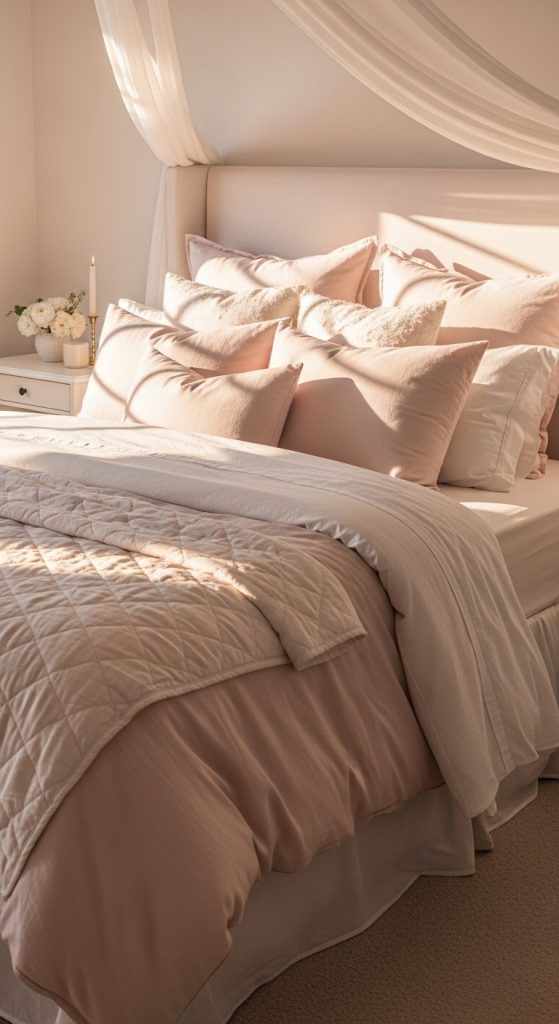
The bedroom is one of the best places to apply soft room ideas. Soft bedding creates a cozy and inviting sleeping environment that encourages rest.
Choose bedding in light, calming colors like white, cream, blush, or pastel tones. Layer pillows in different sizes and textures for a plush look. A padded headboard or fabric covered bed frame adds extra softness.
Avoid overly bold patterns. Instead, use subtle textures like quilted fabrics or lightly patterned pillowcases.
A soft bedroom feels like a retreat where you can relax, recharge, and feel at ease.
7. Calm Wall Treatments and Paint Finishes
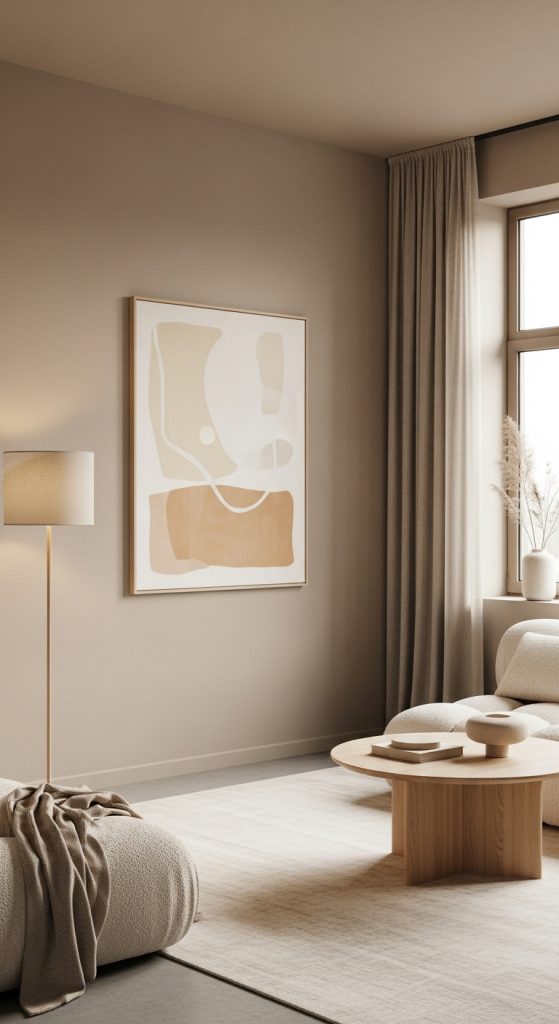
Walls play a big role in setting the mood of a room. For a soft room, wall treatments should feel smooth and gentle.
Matte or eggshell paint finishes work better than glossy ones. They reflect light softly and create a cozy appearance. Soft pastel colors or warm neutrals are ideal.
If you want something more decorative, consider subtle wall panels, fabric wall hangings, or textured wallpaper in neutral tones. These add interest without overwhelming the space.
Keeping walls calm and simple helps the room feel grounded and peaceful.
8. Soft Furniture with Rounded Shapes
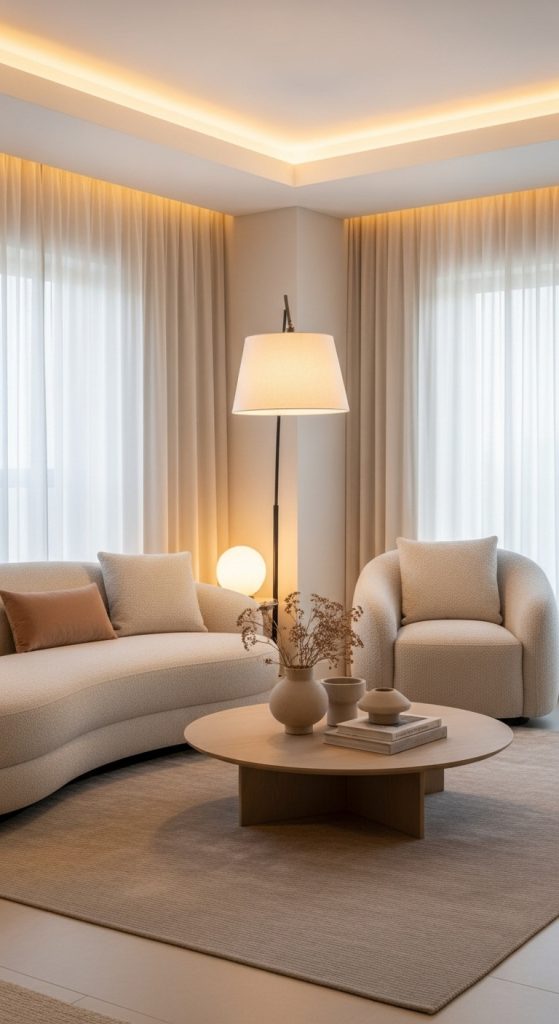
Furniture shapes matter more than people realize. Soft rooms often feature furniture with rounded edges and gentle curves instead of sharp lines.
Sofas with plush cushions, rounded armchairs, and curved coffee tables feel more welcoming. Upholstered furniture in soft fabrics enhances comfort and style.
Choose furniture that looks comfortable and inviting rather than stiff or formal. The goal is to make the room feel like a place you want to relax in.
Soft furniture creates a harmonious flow and adds to the overall gentle aesthetic of the room.
9. Personal Touches That Feel Calm and Meaningful
A soft room should reflect your personality while still feeling peaceful. Personal touches make the space feel special and comforting.
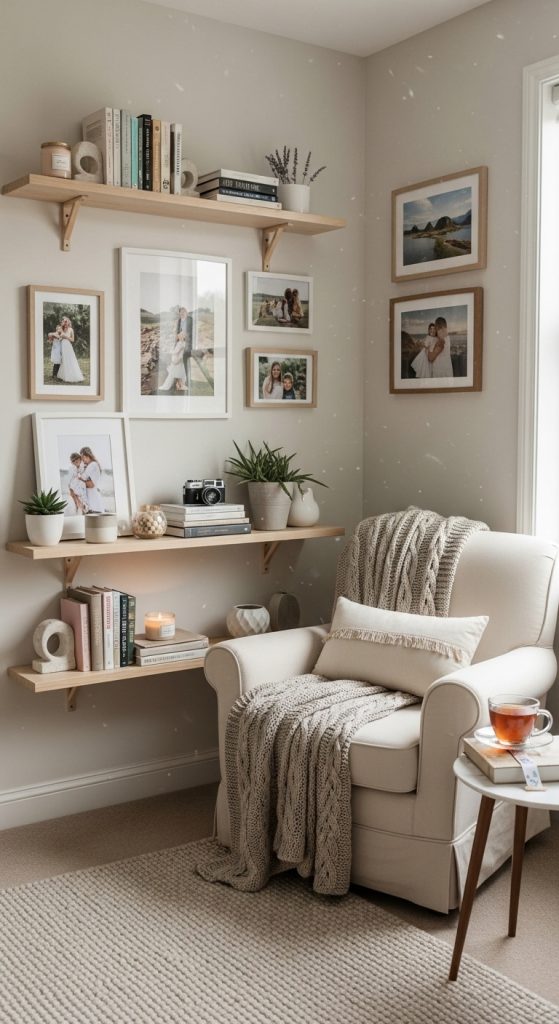
This could include framed photos, favorite books, handmade items, or sentimental decor pieces. Keep these items limited and well arranged to avoid clutter.
Display personal items in a calm way, such as on a shelf or bedside table. Choose frames and containers that match the soft color palette.
When a room includes meaningful items, it feels more authentic and emotionally comforting.
10. Clean and Organized Spaces for Mental Calm
Organization is essential for maintaining a soft room. A cluttered space can quickly ruin a calm atmosphere.
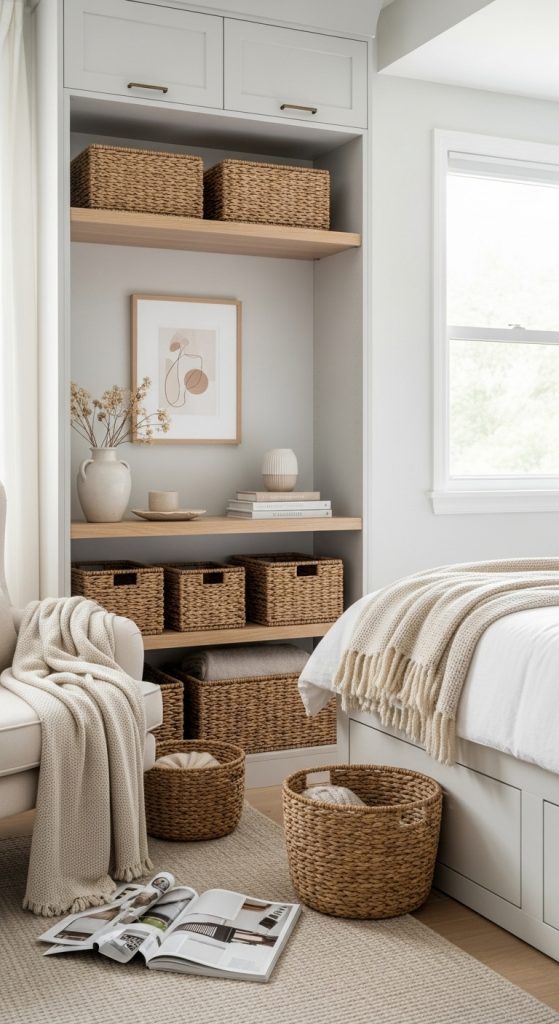
Use storage solutions that blend with the decor. Fabric storage boxes, woven baskets, and wooden drawers are both practical and stylish.
Keep surfaces clean and only display items that add to the softness of the room. Regular decluttering helps maintain the peaceful vibe.
A clean and organized room supports relaxation and helps create a stress free environment.
Final Thoughts on Creating a Soft Room
Soft room ideas are all about creating a space that feels gentle, cozy, and calming. By focusing on neutral colors, soft textures, warm lighting, and thoughtful decor, you can transform any room into a peaceful retreat.
You do not need to follow trends or buy expensive items. Simple choices and attention to detail make the biggest difference. Soft rooms are perfect for Pinterest inspiration because they are timeless, comforting, and easy to personalize.
Whether you are designing a bedroom, living room, or small corner of your home, these ten soft room ideas can help you create a space that feels calm and welcoming every day.