
Natural wood bathroom vanities have become one of the strongest interior design trends of 2026, transforming bathrooms from purely functional spaces into warm, spa-like retreats. Homeowners are now shifting away from glossy, artificial materials and embracing organic textures such as oak, walnut, ash, and teak. This movement is part of a broader design philosophy known as biophilic design, which focuses on bringing natural elements into interior spaces to improve comfort, relaxation, and emotional well-being.
The reason natural wood vanities are so popular is simple: they balance beauty with practicality. Unlike synthetic materials, wood adds warmth, depth, and character to bathrooms, which are typically dominated by cold surfaces like tiles, glass, and metal. A natural wood vanity becomes the visual anchor of the room, setting the tone for the entire design.
In modern homes, bathrooms are no longer just utility spaces. They are personal wellness zones where people start and end their day. This shift has increased demand for calming, nature-inspired interiors. Light oak vanities bring Scandinavian simplicity, walnut adds luxury richness, and teak introduces spa-like serenity.
Another reason for their popularity is versatility. Natural wood vanities work well in minimalist, rustic, Japandi, modern, and even industrial bathrooms. Whether paired with marble countertops or matte black fixtures, they always create a grounded and elegant aesthetic.
In this blog, we will explore 10 powerful natural wood bathroom vanity ideas, along with materials used, step-by-step styling methods, and Pinterest-inspired design patterns that can help you recreate these looks in your own home.
How to Design a Natural Wood Bathroom Vanity (Step-by-Step Guide)
Designing a natural wood bathroom vanity is not just about choosing a cabinet—it is about creating a complete aesthetic experience that balances texture, tone, and function. A well-designed vanity should feel integrated into the bathroom rather than placed inside it.
The first step is selecting the right type of wood. Light woods such as oak and ash are ideal for small bathrooms because they reflect light and create a spacious feeling. Dark woods like walnut or mahogany are better suited for larger bathrooms where you want a luxurious, dramatic atmosphere. Teak is especially popular for bathrooms because it naturally resists moisture and humidity.
Next, focus on the vanity structure. Floating vanities are one of the most popular choices in 2026 because they create an illusion of space and make cleaning easier. Freestanding vanities, on the other hand, add a more traditional and grounded look.
Countertop selection is another important step. Quartz and natural stone are commonly used because they are durable and water-resistant. The contrast between smooth stone and textured wood creates visual balance.
Hardware also plays a key role. Matte black, brushed gold, and soft nickel finishes are trending because they complement natural wood without overpowering it. Minimal handles or handle-less designs enhance the clean aesthetic.
Finally, lighting should not be ignored. Warm LED lighting under or above the vanity enhances wood grain texture and creates a cozy atmosphere. Pairing the vanity with mirrors—especially round or frameless mirrors—helps complete the design.
When all these elements come together, the result is a bathroom vanity that feels modern, natural, and timeless.
Materials Used in Natural Wood Bathroom Vanities
The materials used in natural wood bathroom vanities determine both durability and visual appeal. Since bathrooms are high-moisture environments, selecting the right combination of materials is essential for long-term performance.
The primary material is, of course, solid wood. Oak is one of the most widely used choices because it is strong, durable, and has a beautiful visible grain. Walnut is another premium option known for its deep, rich color and luxurious appearance. Teak is especially valued in bathroom design because it naturally resists water damage and warping. Ash wood provides a lighter, more minimal aesthetic that fits modern Scandinavian interiors.
In addition to wood, countertops are usually made from quartz, marble, or engineered stone. Quartz is preferred for its low maintenance and stain resistance, while marble is chosen for its natural veining and luxury appeal. Engineered stone offers a balance between durability and affordability.
For structural support, plywood with wood veneer is sometimes used in modern vanities. It provides stability while maintaining a natural wood appearance.
Hardware materials include stainless steel, brass, and aluminum with matte finishes. These materials resist corrosion and add subtle contrast to the wood surface.
Finishing materials are also crucial. Waterproof sealants and protective coatings ensure that the wood remains resistant to humidity, splashes, and daily wear. Without proper sealing, even high-quality wood can degrade over time in a bathroom environment.
Lighting materials such as LED strips, wall sconces, and backlit mirrors enhance the overall design and highlight the natural grain of the wood.
Together, these materials create a balanced combination of beauty, durability, and functionality that defines modern bathroom vanity design.
10 Natural Wood Bathroom Vanity Ideas
Below are ten detailed design ideas that showcase how natural wood can transform bathroom spaces into elegant, functional, and visually stunning interiors.
1. Light Oak Floating Vanity with Minimal Design
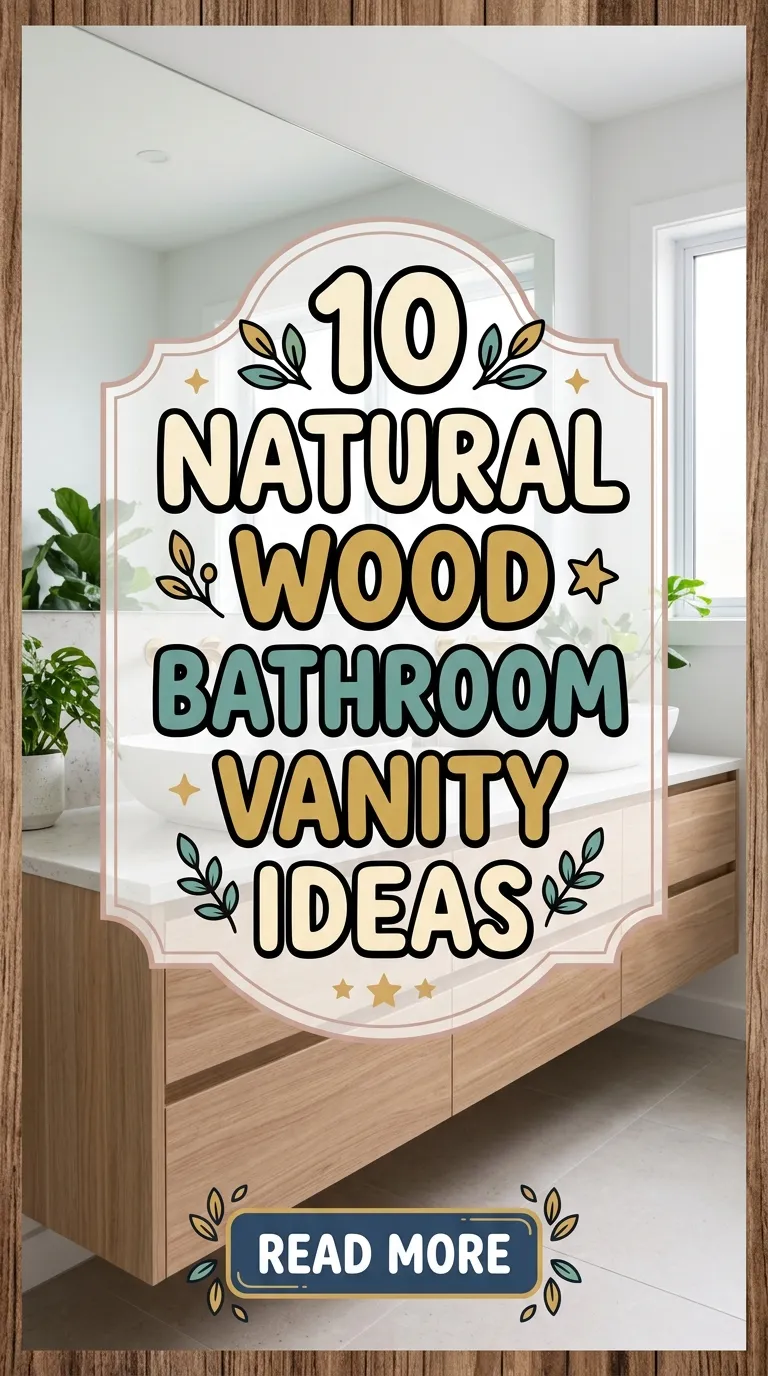
A light oak floating vanity is one of the most popular modern bathroom choices. It creates an airy, spacious look and works perfectly in small bathrooms. The floating design keeps the floor visible, making the room appear larger. Pair it with a white quartz countertop and black matte fixtures for a clean Scandinavian style.
Pinterest pattern style: soft beige walls, warm lighting, round mirror, and simple decor elements.

2. Rustic Walnut Double Sink Vanity
Walnut wood adds depth and richness, making it ideal for luxury bathrooms. A double sink walnut vanity is perfect for master bathrooms. The natural dark tones contrast beautifully with white marble countertops.
Pinterest pattern style: gold accents, ambient lighting, and symmetrical mirror placement.

3. Teak Spa-Inspired Vanity
Teak wood is naturally moisture-resistant, making it perfect for spa-style bathrooms. A teak vanity paired with stone basins and greenery creates a resort-like atmosphere.
Pinterest pattern style: bamboo accents, soft candles, and natural stone flooring.

4. Wall-Mounted Ash Wood Vanity with Hidden Storage
Ash wood provides a soft, neutral tone that works well in minimalist interiors. A wall-mounted design with hidden drawers creates a clutter-free space.
Pinterest pattern style: frameless mirror, white tiles, and soft LED lighting.

5. Reclaimed Wood Vanity with Vintage Charm
Reclaimed wood vanities bring character and history into bathroom design. Each piece has unique grain patterns and imperfections that add authenticity.
Pinterest pattern style: antique brass fixtures, patterned tiles, and warm amber lighting.

6. Minimal Japandi Style Oak Vanity
Japandi design blends Japanese simplicity with Scandinavian warmth. A clean oak vanity with handle-less drawers fits perfectly into this aesthetic.
Pinterest pattern style: neutral tones, stone sink, and soft natural lighting.

7. Dark Walnut Vanity with Black Stone Countertop
This bold design combines dark walnut wood with black stone surfaces for a dramatic, luxurious effect. Ideal for modern high-end bathrooms.
Pinterest pattern style: matte black fixtures, moody lighting, and large mirrors.

8. Floating Teak Vanity with Under Glow Lighting
A teak floating vanity with LED underlighting creates a futuristic yet natural design. The glow enhances the wood texture at night.
Pinterest pattern style: modern glass shower, minimal decor, and warm ambiance.

9. Dual-Tone Wood Vanity (Oak + White Finish)
A combination of natural oak wood and white lacquered panels creates a balanced modern look. This design is perfect for contemporary bathrooms.
Pinterest pattern style: geometric mirrors, light tiles, and clean layout.

10. Industrial Style Wood and Metal Vanity
A mix of natural wood and black metal frames creates a strong industrial aesthetic. This style works well in urban loft bathrooms.
Pinterest pattern style: exposed pipes, concrete walls, and Edison bulb lighting.

Pinterest Style Pattern Ideas (Design Inspiration Breakdown)
Pinterest-inspired bathroom design patterns for natural wood vanities focus heavily on mood, texture, and layering. These patterns are not just about furniture but about creating a complete visual experience.
One of the most popular patterns is the “spa calm aesthetic,” which includes soft beige tones, wooden textures, warm lighting, and greenery. This creates a peaceful, hotel-like bathroom environment.
Another trending pattern is the “modern minimalist wood look,” which uses floating vanities, clean lines, and monochrome color schemes. This design is perfect for small bathrooms where space optimization is important.
The “rustic luxury” pattern combines reclaimed wood, vintage fixtures, and textured tiles. It creates a cozy and nostalgic atmosphere that feels handcrafted and personal.
Japandi-inspired patterns are also extremely popular. These focus on simplicity, balance, and natural materials. Oak wood vanities, stone sinks, and neutral tones define this aesthetic.
Finally, the “dark luxury bathroom” pattern uses walnut wood, black stone, and gold accents to create a bold, dramatic effect.
Each of these Pinterest-style patterns shows how natural wood vanities can adapt to different design personalities while maintaining their organic charm.
Final Thoughts
Natural wood bathroom vanities are more than just a design trend—they represent a shift toward warmer, more human-centered interiors. Whether you prefer light oak minimalism, rich walnut luxury, or teak spa-inspired designs, wood vanities offer unmatched versatility and timeless appeal.