


A minimalist office is more than just a design trend—it is a productivity philosophy that focuses on clarity, simplicity, and intentional living. In today’s fast-paced world filled with distractions, creating a clean and clutter-free workspace has become essential for better focus and mental peace. A well-designed minimalist office helps reduce visual noise, improves concentration, and enhances overall work efficiency.
The core idea behind minimalist office design is “less is more.” Instead of filling your workspace with unnecessary décor or furniture, you carefully choose only what is functional, beautiful, and essential. This approach creates an environment where your mind feels lighter, calmer, and more organized.
Minimalist offices are not boring or empty. In fact, when designed correctly, they feel modern, elegant, and highly inspiring. Neutral color palettes, natural lighting, smart storage solutions, and clean furniture lines all work together to create a balanced and professional atmosphere.
In this blog, you will explore 10 detailed minimalist office ideas that can transform any corner of your home or workplace into a stylish and productive zone. Whether you are a student, freelancer, entrepreneur, or remote worker, these ideas will help you design a workspace that supports focus, creativity, and comfort.
What Makes a Minimalist Office Effective?
A minimalist office is effective because it removes distractions and emphasizes functionality. Every object in the room has a purpose, and unnecessary clutter is eliminated. This helps the brain stay focused on important tasks instead of being visually overstimulated.
One of the most important elements is spatial clarity. Open desk space allows you to think clearly and work without feeling overwhelmed. When your desk is clean, your mind naturally follows the same structure.
Another key factor is color psychology. Minimalist offices often use neutral tones like white, beige, grey, or soft earth tones. These colors create a calming environment and reduce stress levels. They also reflect natural light, making the room feel brighter and more spacious.
Furniture selection also plays a major role. Minimalist offices rely on simple, functional furniture with clean lines. Instead of bulky desks and chairs, you choose ergonomic and space-saving pieces.
Lastly, organization is essential. Smart storage systems such as hidden drawers, floating shelves, and cable management tools help maintain a clean environment without sacrificing functionality.
Materials Used in Minimalist Office Design
Creating a minimalist office does not require expensive materials, but it does require thoughtful choices. The most commonly used material is wood, especially light oak, birch, or walnut finishes. Wood adds warmth and prevents the space from feeling too cold or sterile.
Metal is another important material, often used in desk frames, chair legs, and shelving units. Black or white powder-coated metal adds a modern industrial touch while maintaining simplicity.
Glass is frequently used in tabletops or partitions because it creates a sense of openness and transparency. It helps small spaces feel larger and more airy.
For décor and soft elements, linen, cotton, and wool are commonly used. These materials are often found in curtains, cushions, or chair upholstery, adding subtle texture without overwhelming the design.
Storage solutions often include MDF or engineered wood, which is used for cabinets, shelves, and drawers. These materials are practical, durable, and budget-friendly.
Lighting materials also matter. LED lights with warm or neutral tones are preferred to reduce eye strain and maintain a comfortable working environment.
How to Create a Minimalist Office
To create a minimalist office, start by decluttering your space. Remove everything that is not essential for work. This includes old papers, unused gadgets, and unnecessary décor items. Keep only what you use daily.
Next, choose a neutral color palette for your walls and furniture. Light tones like white, beige, or soft grey will create a calm and spacious feel. Avoid overly bright or contrasting colors that can distract your focus.
After that, invest in functional furniture. A simple desk, ergonomic chair, and smart storage unit are enough for most minimalist setups. Avoid bulky or decorative furniture that takes up unnecessary space.
Lighting is another crucial step. Position your desk near a natural light source if possible. Add a simple desk lamp for nighttime work with soft, warm lighting to reduce eye strain.
Finally, organize your workspace with intention. Use cable organizers, drawer dividers, and hidden storage to keep everything neat. Every item should have a designated place to maintain long-term cleanliness.
Pinterest Style Minimalist Office Aesthetic Patterns
Minimalist office design on Pinterest often follows consistent visual patterns. One of the most popular styles is the “neutral workspace aesthetic,” which features white desks, beige walls, and wooden accents. This style focuses on simplicity and soft natural lighting.
Another trending pattern is the “modern black & white office,” where contrast is used strategically. Black metal frames, white desks, and monochrome accessories create a bold yet clean aesthetic.
The “Scandinavian workspace” is also very popular. It combines light wood furniture, white walls, and cozy textures like wool or linen. This style emphasizes comfort and functionality.
You will also find “boho minimalist offices,” which include small plants, woven baskets, and earthy tones while still maintaining a clean layout.
These Pinterest-style patterns all share one thing in common: balance. They avoid overcrowding and focus on intentional placement of each element to create a visually pleasing and productive workspace.
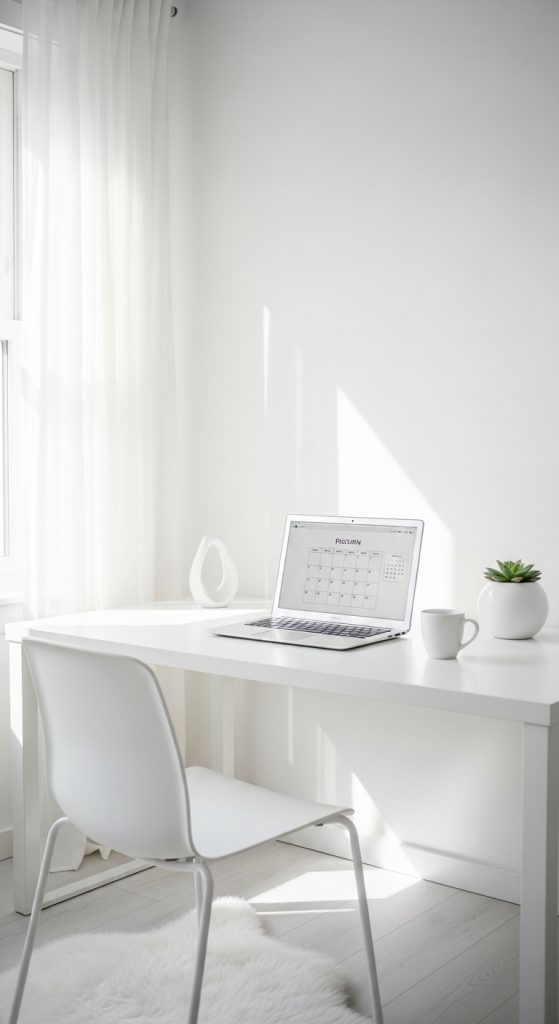
1. All-White Clean Workspace
An all-white office is one of the purest forms of minimalism. White walls, white desk, and white accessories create a bright and distraction-free environment. This setup enhances focus and gives a sense of clarity.
To avoid making it feel too sterile, you can add soft textures like a light grey chair or a small plant. Natural lighting plays a major role in this design, making the room feel open and refreshing.
This style is perfect for people who prefer a highly organized and visually calm workspace.
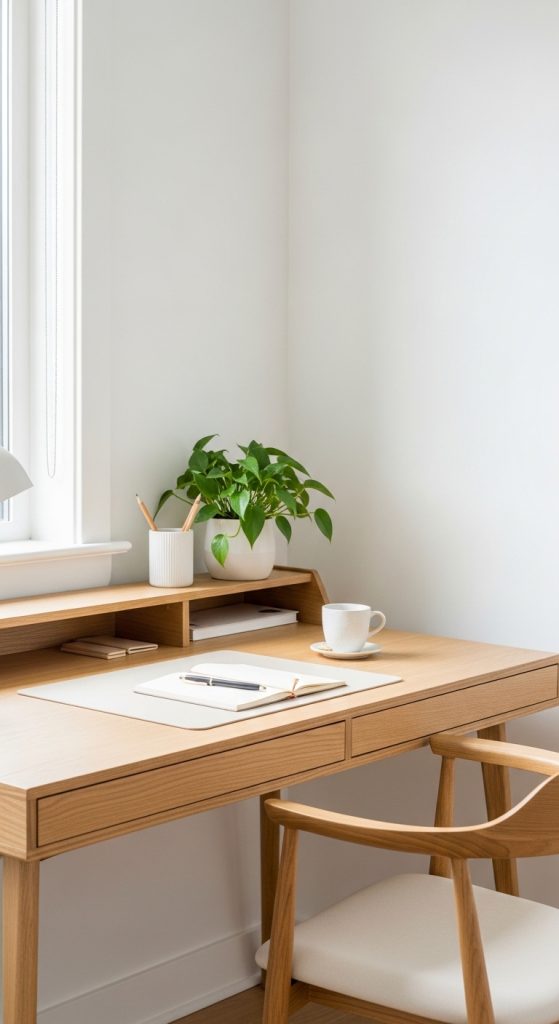
2. Scandinavian Wooden Desk Setup
Scandinavian design focuses on simplicity and warmth. A light wooden desk paired with white walls creates a balanced and cozy workspace.
Add a simple desk lamp, a small indoor plant, and minimal stationery to complete the look. The goal is to maintain functionality while keeping the environment visually soothing.
This style is ideal for long working hours due to its comfort-focused design.
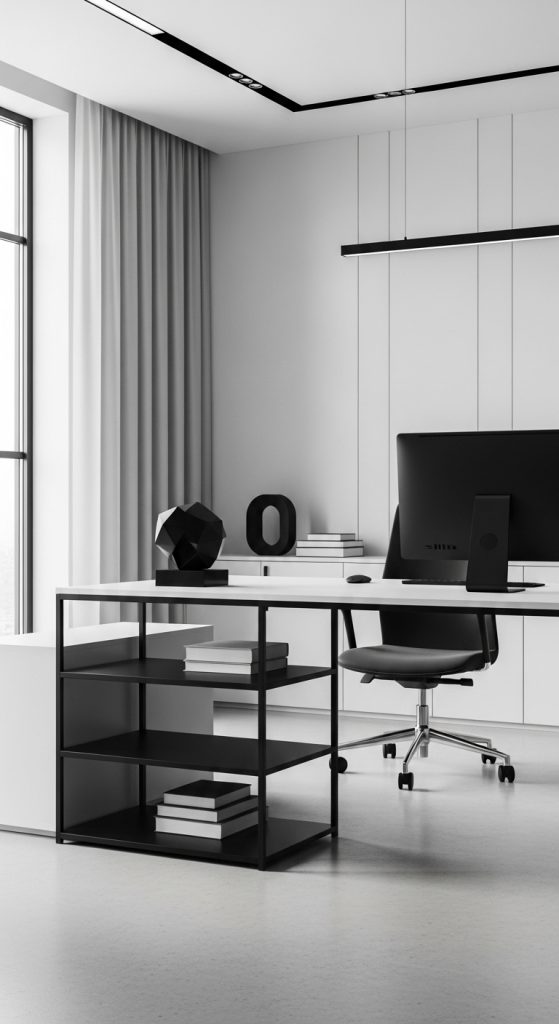
3. Black & White Contrast Office
A black and white minimalist office creates a strong visual identity. A white desk with black shelving or accessories adds structure and sophistication.
Keep décor minimal and intentional. Use clean lines and avoid unnecessary clutter. This design works well for modern professionals who prefer a bold but clean aesthetic.
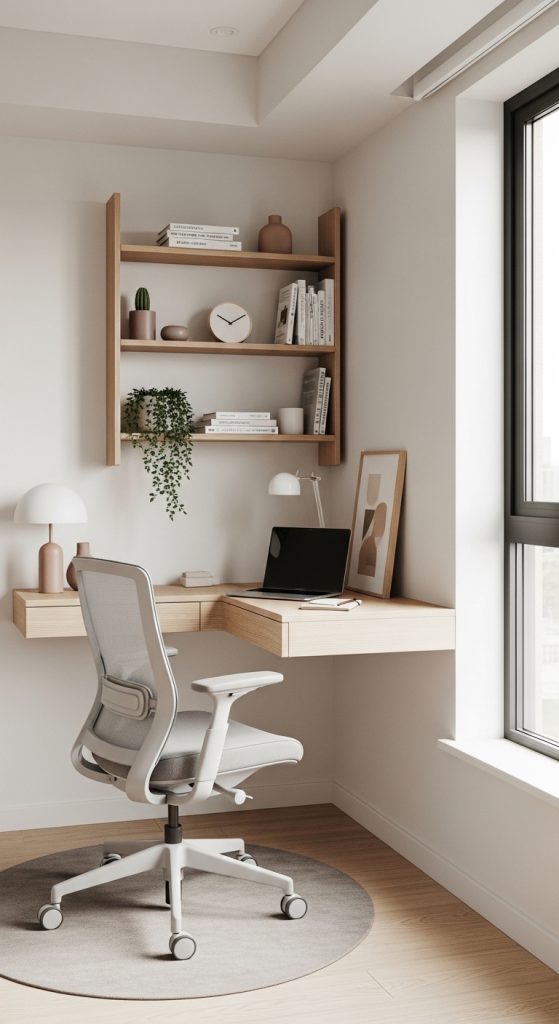
4. Compact Small Space Office Corner
For small homes, a corner office setup is perfect. A floating desk mounted on the wall saves space while maintaining functionality.
Use vertical storage like shelves above the desk to maximize organization. Keep the color palette light to make the space feel bigger.
This idea is ideal for apartments or shared rooms.
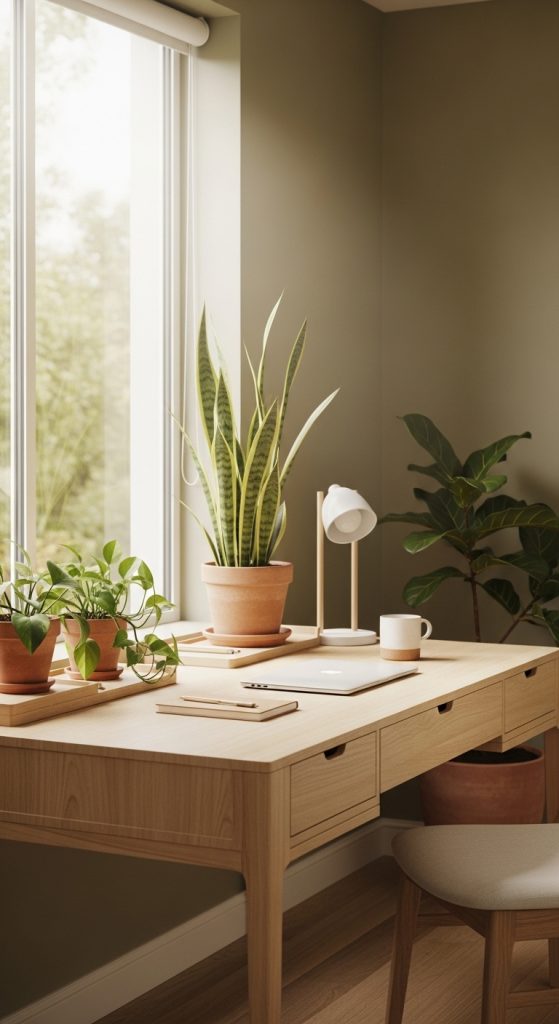
5. Nature-Inspired Minimal Office
A nature-inspired office brings calmness into your workspace. Use wooden furniture, green plants, and soft earth tones.
Natural light is essential in this setup. The presence of plants improves air quality and reduces stress, making it a highly productive environment.
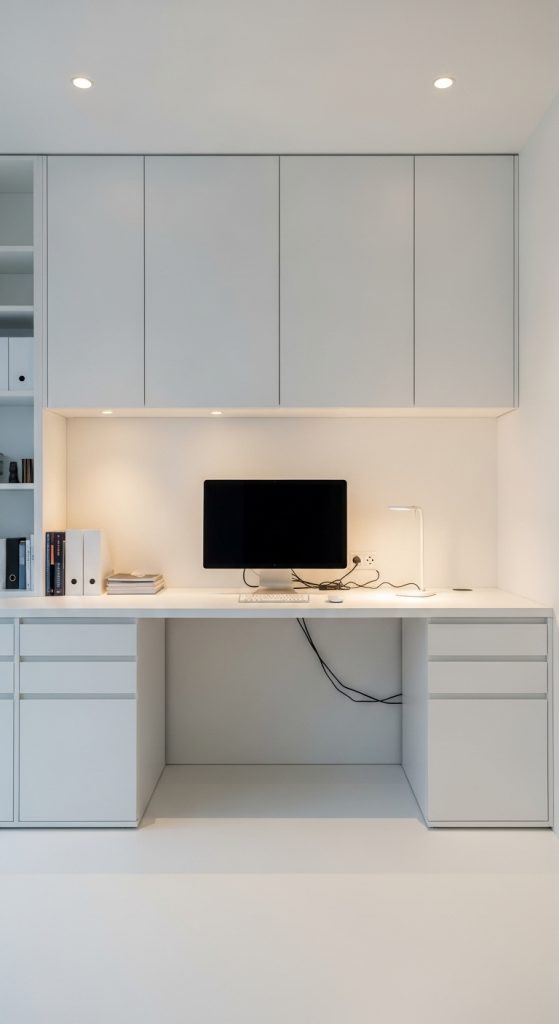
6. Hidden Storage Minimal Desk Setup
This design focuses on complete clutter elimination. Everything is stored inside drawers, cabinets, or hidden compartments.
The desk surface remains completely clean, allowing full focus on work. This is perfect for people who prefer ultra-clean environments.
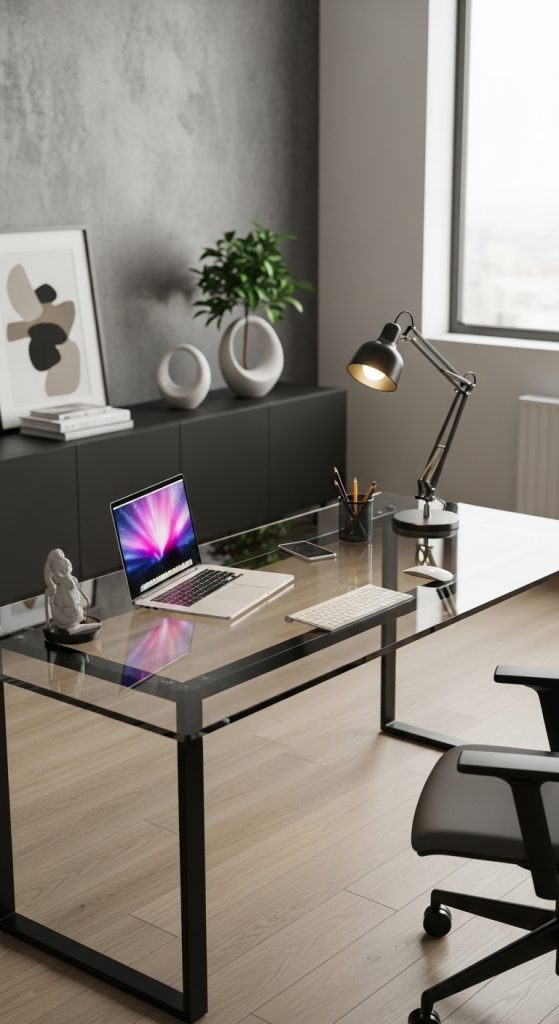
7. Modern Glass Desk Workspace
A glass desk creates an illusion of openness and space. Combined with metal frames, it gives a modern and elegant look.
Keep accessories minimal, such as a laptop, lamp, and small organizer. This design works best in contemporary interiors.
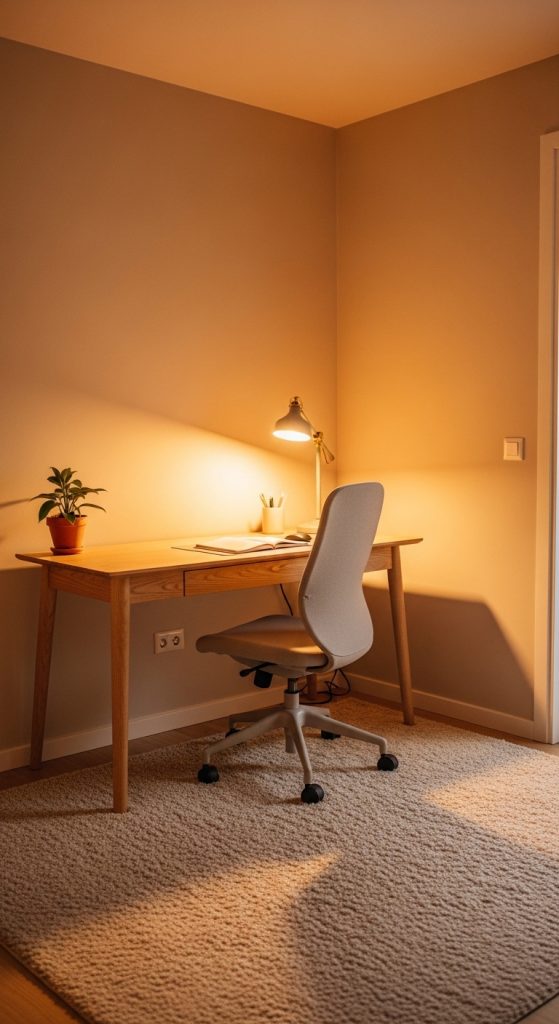
8. Cozy Minimal Study Office
This setup blends minimalism with comfort. Soft lighting, warm tones, and a simple desk create a relaxed study environment.
Add a comfortable chair and soft rug to make the space inviting without adding clutter.
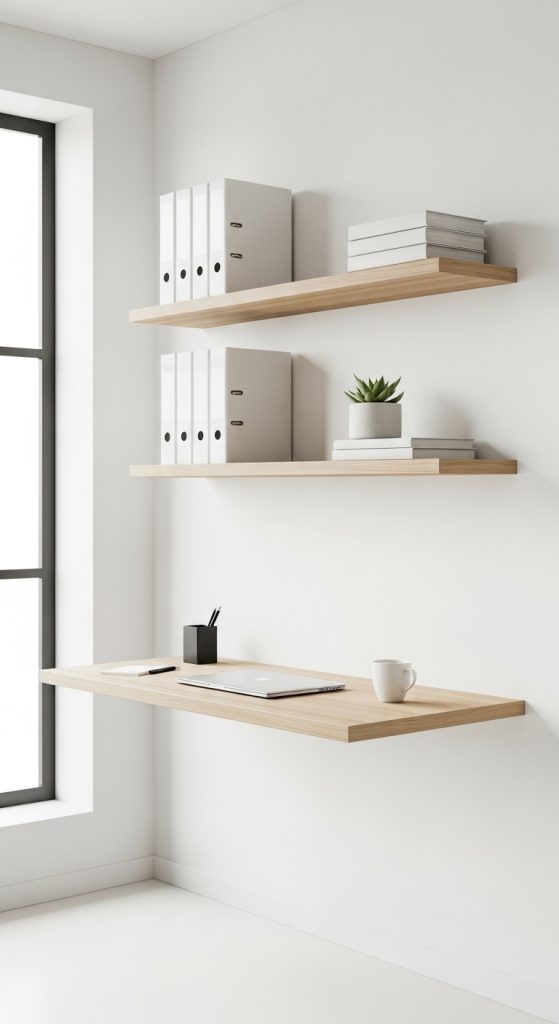
9. Wall-Mounted Floating Desk Office
A floating desk is perfect for ultra-minimalist living. It saves floor space and creates a clean, modern look.
Pair it with floating shelves for storage. Keep everything symmetrical and balanced for a visually pleasing layout.
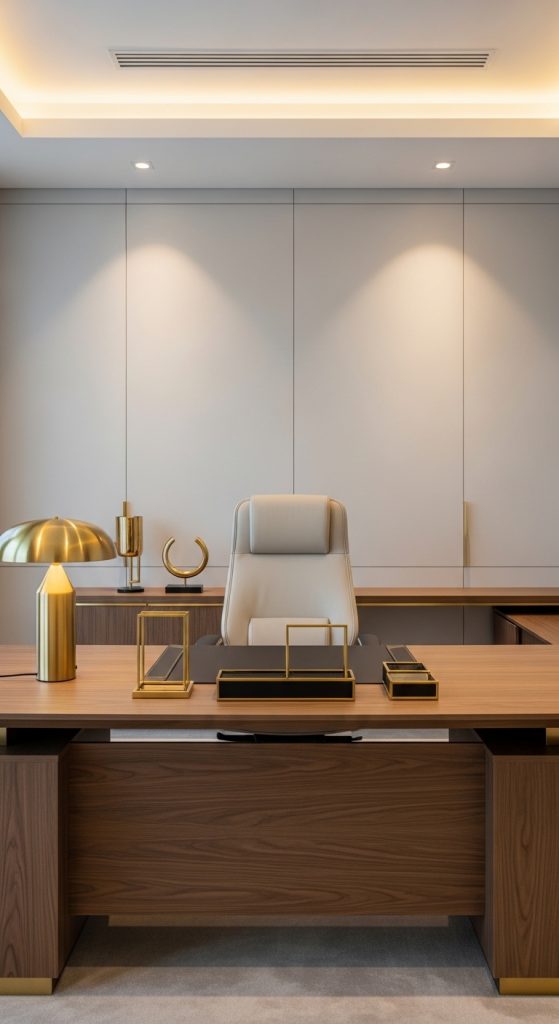
10. Luxury Minimal Executive Office
This style combines minimalism with luxury. A large clean desk, premium materials like wood and metal, and subtle gold accents define this setup.
It feels professional, powerful, and elegant while still maintaining simplicity.
Conclusion
A minimalist office is not just about design—it is about mindset and productivity. By removing clutter and focusing on essentials, you create a workspace that supports clarity, efficiency, and creativity. Whether you prefer a cozy Scandinavian style or a bold black-and-white contrast setup, minimalism can be adapted to fit your personality and needs.