

Air dry clay crafts have become one of the most loved DIY hobbies for beginners and professional artists because they are simple, affordable, and extremely versatile. Among all creative clay projects, air dry clay dragons stand out as one of the most imaginative and visually stunning designs you can make at home. Dragons symbolize strength, mystery, magic, and fantasy across many cultures, making them a perfect subject for artistic expression.
Creating dragon figures from air dry clay allows you to explore different textures, shapes, and storytelling elements without needing a kiln or advanced sculpting tools. Whether you want to design cute miniature dragons, fierce fantasy guardians, or elegant mythical creatures, air dry clay gives you complete freedom to experiment.
This guide is designed to help beginners and hobbyists understand not just how to create dragons, but also how to style them in a Pinterest-worthy way. You’ll discover materials, techniques, styling ideas, and 10 unique dragon concepts that you can recreate or modify for your own artistic journey.
Air dry clay is especially popular because it hardens naturally at room temperature, making it accessible for home use. You can paint it, carve it, blend it, and even layer it to achieve realistic dragon scales and wings. This makes it ideal for fantasy-themed decor, gifts, collectibles, or even small business product ideas.
By the end of this blog, you’ll not only understand the crafting process but also gain inspiration to design dragons that feel alive, expressive, and visually appealing. Let’s begin with the essential materials you’ll need.
Materials Used for Air Dry Clay Dragon Making
Before you start sculpting your dragon, it’s important to gather all the essential materials. Having everything ready will make your creative process smoother and more enjoyable. Air dry clay art does not require expensive tools, which is why it is perfect for beginners and DIY enthusiasts.
1. Air Dry Clay
The most important material is obviously air dry clay. It is soft, easy to mold, and dries naturally without baking. Choose a high-quality clay that doesn’t crack easily after drying. White clay is best because it allows easy coloring later.
2. Sculpting Tools
Basic sculpting tools help you shape details like scales, claws, wings, and facial features. You can use wooden modeling tools, plastic knives, or even household items like toothpicks and butter knives for detailing.
3. Water Spray Bottle
A small spray bottle helps keep the clay moist while working. This prevents cracks and keeps the surface smooth while you shape your dragon.
4. Acrylic Paints
Once your dragon is dry, acrylic paints bring it to life. You can use metallic shades, earthy tones, or fantasy colors like purple, emerald green, and gold for a magical effect.
5. Paint Brushes
Different brush sizes are needed for base coating and fine detailing. Thin brushes are perfect for painting dragon scales and facial details.
6. Armature Wire (Optional)
If you want a strong structure or dynamic pose, armature wire helps create a skeleton for your dragon before adding clay.
7. Sandpaper
Light sanding helps smooth rough edges after drying, making your dragon look more professional.
8. Glue (Optional)
In case any small parts break or need reinforcement, strong craft glue is useful.
Having these materials ready ensures your dragon sculpting experience is smooth, creative, and stress-free.
How to Make Air Dry Clay Dragons (Step-by-Step Guide)
Creating an air dry clay dragon is a process that requires patience, imagination, and attention to detail. Even beginners can achieve beautiful results by following a structured method.
Step 1: Plan Your Dragon Design
Start by deciding what type of dragon you want to create. Will it be cute, fierce, realistic, or fantasy-inspired? Sketching your idea helps you understand proportions like head size, wings, tail length, and posture.
Step 2: Create the Base Structure
If you are using armature wire, shape it into a basic dragon skeleton. This gives your sculpture strength and allows flexible posing. If not, simply start shaping the body directly with clay.
Step 3: Shape the Body
Begin forming the dragon’s torso, head, legs, and tail. Keep proportions balanced. The body should gradually taper into the tail, while the chest area can be slightly broader for a powerful look.
Step 4: Add Head Details
The head is the most expressive part. Sculpt eyes, nostrils, horns, and mouth carefully. You can make your dragon look angry, cute, or wise depending on facial expression.
Step 5: Create Wings and Limbs
Roll out thin clay sheets for wings and attach them carefully. Use sculpting tools to add vein-like details. Shape claws and feet with sharp edges for realism.
Step 6: Add Texture and Scales
Use tools or small circular caps to create scale patterns. This step adds realism and depth to your dragon design.
Step 7: Let It Dry
Allow your sculpture to dry completely for 24–72 hours depending on thickness. Avoid moving it during drying to prevent cracks.
Step 8: Sand and Paint
Once dry, smooth rough edges using sandpaper. Then paint your dragon using acrylic colors and add highlights for a magical finish.
This step-by-step process transforms simple clay into a fantasy masterpiece.
Pinterest-Style Air Dry Clay Dragon Patterns (Aesthetic Inspiration Guide)
Pinterest-style crafts are all about aesthetics, storytelling, and visual appeal. When designing air dry clay dragons, the goal is not just to create a figure but to create a display-worthy art piece that looks magical and emotionally expressive.
1. Fantasy Color Blending
Use gradient color transitions like purple to blue, green to gold, or red to black. These blends give your dragon a mystical and dreamy appearance.
2. Detailed Scale Work
Pinterest-style dragons often have highly detailed scales. Instead of uniform patterns, mix large and small scales for a realistic texture effect.
3. Emotional Expression
Add personality to your dragon. Cute sleepy dragons, angry fire dragons, or curious baby dragons all create emotional connection.
4. Miniature Fantasy Themes
Small dragons placed on crystal bases, forest stumps, or moon-shaped platforms create aesthetic storytelling visuals.
5. Metallic Accents
Gold, silver, and bronze highlights enhance the fantasy vibe. Use metallic paint on horns, claws, and wings.
6. Glow Effect Style
Some artists use glow-in-the-dark paint or white highlights to create magical nighttime dragon themes.
7. Nature Integration
Dragons wrapped around trees, rocks, or flowers give a natural fantasy ecosystem feeling.
8. Crystal-Inspired Dragons
Add crystal-like spikes or translucent effects using resin or glossy paint styles.
9. Soft Pastel Fantasy Dragons
Pastel pink, lavender, and baby blue dragons create a cute aesthetic suitable for decorative shelves.
10. Dark Mythical Style
Black dragons with red or purple glowing eyes create a powerful and mysterious Pinterest aesthetic.
These styles help transform simple clay figures into visually stunning art pieces that feel like collectible fantasy decor.
10 Air Dry Clay Dragon Ideas
1. Cute Baby Sleeping Dragon
A baby sleeping dragon is one of the most popular beginner-friendly designs. It focuses on softness, round shapes, and gentle expressions. The dragon is usually curled up like a cat, with tiny wings folded tightly against its body. The face is peaceful, with closed eyes and a slight smile, giving it a calming presence.
To make this design, keep the body proportions small and chubby. Avoid sharp edges and instead focus on smooth curves. Add small horns and tiny claws for detail. Once painted, pastel colors like baby blue, pink, or lavender make it look adorable.
This type of dragon is perfect for bedroom decor or gifting. It fits beautifully into aesthetic shelves and creates a cozy fantasy vibe.

2. Fierce Fire-Breathing Dragon
This dragon design focuses on power and intensity. It is larger in posture with sharp features, extended wings, and a strong stance. The mouth is open slightly to suggest fire breathing, and the eyes are shaped to look aggressive or focused.
The body should be muscular with defined scales. Use darker clay tones or paint it in bold colors like red, black, and orange. Adding flame-like texture around the mouth enhances the dramatic effect.
This dragon is ideal for fantasy collectors or display pieces that represent strength and dominance. It works well as a centerpiece sculpture.

3. Crystal Wing Dragon
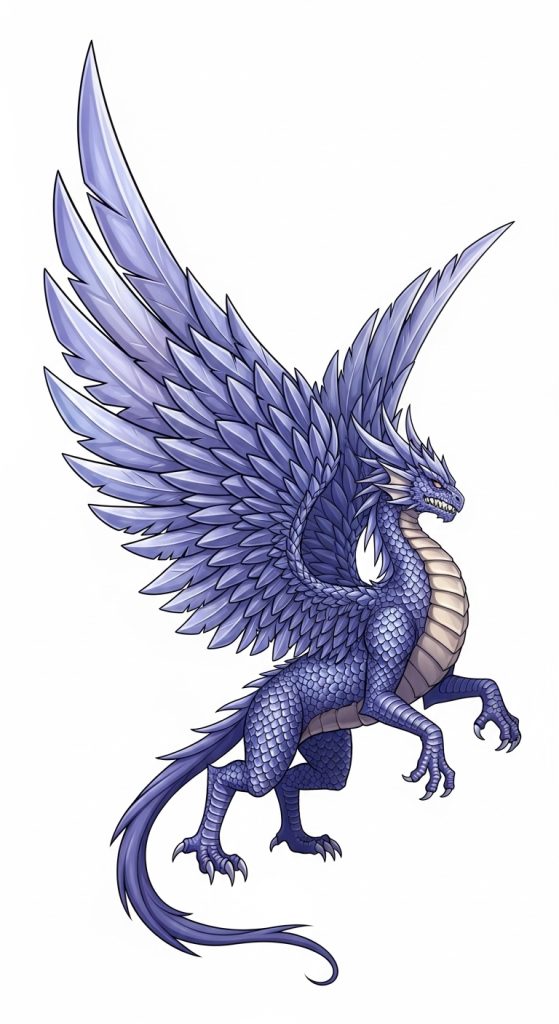
A crystal wing dragon is a magical aesthetic design where the wings resemble crystals or gemstones. Instead of normal wings, you sculpt sharp, angular shapes that look like quartz formations.
Use translucent paint effects or glossy finishes to simulate crystal shine. Colors like icy blue, emerald green, or violet work beautifully. The body can remain simple so the wings stand out.
This design is perfect for fantasy-themed decor and gives a luxurious artistic feel.

4. Forest Guardian Dragon
This dragon is inspired by nature and forest ecosystems. It often has leaf-like textures, bark patterns, or moss-inspired coloring. The dragon may appear as if it is part of the forest itself.
Green tones dominate this design, along with earthy browns and subtle gold highlights. You can even attach tiny clay leaves or vines for extra detail.
It symbolizes protection, balance, and nature’s magic.

5. Mini Pocket Dragon
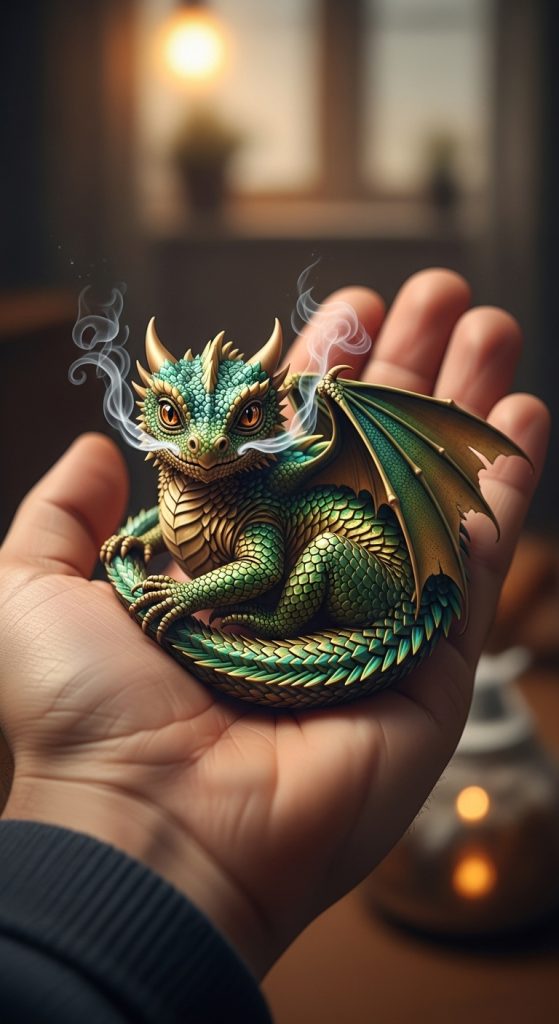
A mini pocket dragon is a tiny collectible sculpture that fits in the palm of your hand. These dragons are simple but extremely cute and popular for beginners.
They usually have minimal details, small wings, and rounded bodies. Because of their size, they dry quickly and are perfect for practice.
You can create a series of different mini dragons with varying colors and expressions for a collectible set.
6. Dragon on a Rock Base
This design features a dragon sitting or standing on a rocky base. The base adds storytelling depth, making it look like the dragon is guarding its territory.
The rock base can be textured using clay or sand effects. The dragon itself can be posed in a proud or alert stance.
This is a great intermediate-level project that improves composition skills.

7. Water Element Dragon
A water dragon design focuses on fluid shapes and wave-like patterns. The body often curves like flowing water, and the color palette includes blues, aquas, and silvers.
You can add ripple textures along the body and fins instead of traditional wings. This gives it an aquatic fantasy appearance.
It represents calmness, flow, and ocean magic.

8. Dragon Egg with Hatchling
This idea features a dragon emerging from an egg or sitting partially inside it. It creates a storytelling moment in sculpture form.
The egg can be cracked open with detailed textures. The hatchling dragon can have oversized eyes and soft features.
This design is emotional and very popular for gift items.

9. Gothic Shadow Dragon
A gothic dragon is dark, mysterious, and dramatic. It usually uses black, deep purple, and dark red tones.
The wings are sharp and bat-like, and the overall structure is angular. This dragon has a fantasy-horror aesthetic.
It is perfect for advanced sculptors who enjoy dramatic themes.
10. Fairy Dragon Hybrid
This dragon combines fairy-like softness with dragon features. It has small delicate wings, glowing colors, and a magical personality.
Pastel tones, glitter accents, and smooth curves define this design. It looks like a fantasy creature from a dream world.
This is one of the most aesthetic Pinterest-style dragon ideas and works beautifully as decor.

Conclusion
Air dry clay dragons are more than just crafts—they are a form of storytelling, imagination, and artistic expression. From cute baby dragons to powerful mythical beasts, each design allows you to explore creativity in a unique way.
By mastering materials, techniques, and Pinterest-style aesthetics, you can transform simple clay into stunning fantasy art pieces. Whether you are crafting for fun, decor, or even business, these 10 dragon ideas give you a strong foundation to start your creative journey.