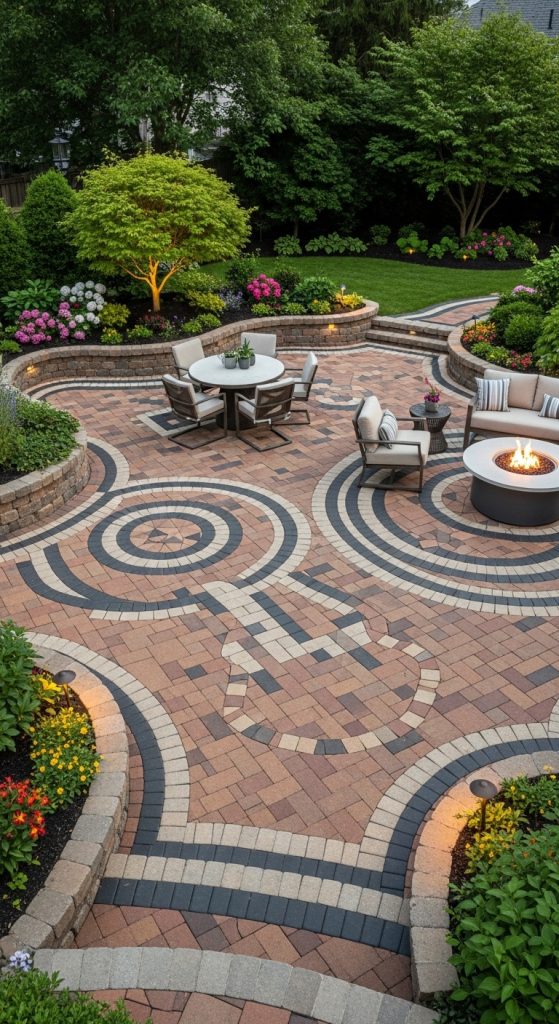
Expanding your outdoor space is one of the most effective ways to enhance both the beauty and functionality of your home. A patio extension using pavers is a smart, budget-friendly solution that allows you to create a seamless transition between your indoor and outdoor living areas. Whether you want to entertain guests, create a relaxing retreat, or simply add value to your property, extending your patio with pavers offers endless design possibilities.
Pavers are a popular choice for patio extensions because they are durable, versatile, and visually appealing. Available in a wide range of colors, textures, shapes, and patterns, they can complement any home style—from modern minimalism to rustic charm. Unlike poured concrete, pavers are easier to install, repair, and customize, making them ideal for DIY enthusiasts and beginners.
One of the biggest advantages of using pavers is flexibility. You can extend your patio in phases, experiment with different layouts, and even incorporate creative features like fire pits, walkways, or garden borders. This means you don’t need a massive budget or a professional contractor to get started. With proper planning and the right materials, you can achieve a high-end, Pinterest-worthy outdoor space on your own.
When planning your patio extension, it’s important to consider your lifestyle and how you intend to use the space. Do you need additional seating for gatherings? A cozy outdoor dining area? Or perhaps a peaceful corner surrounded by greenery? Identifying your goals will help guide your design decisions and ensure your extension is both practical and visually cohesive.
Another key factor is layout and flow. Your patio extension should feel like a natural continuation of your existing space, not an afterthought. This can be achieved by matching or complementing your current pavers, maintaining consistent color palettes, and aligning patterns carefully. Proper leveling, drainage, and base preparation are also crucial to ensure long-lasting results.
Lighting, landscaping, and furniture play a significant role in elevating your patio design. Even a simple extension can feel luxurious with the addition of string lights, outdoor rugs, or potted plants. These finishing touches help create a welcoming atmosphere that encourages you to spend more time outdoors.
In this guide, you’ll discover 10 detailed patio extension ideas using pavers. Each idea is designed to be practical, beginner-friendly, and highly save-worthy for Pinterest. From cozy seating areas to stylish pathways and multi-functional spaces, these ideas will inspire you to transform your patio into a stunning outdoor haven.
1. Seamless Patio Extension Design
Introduction
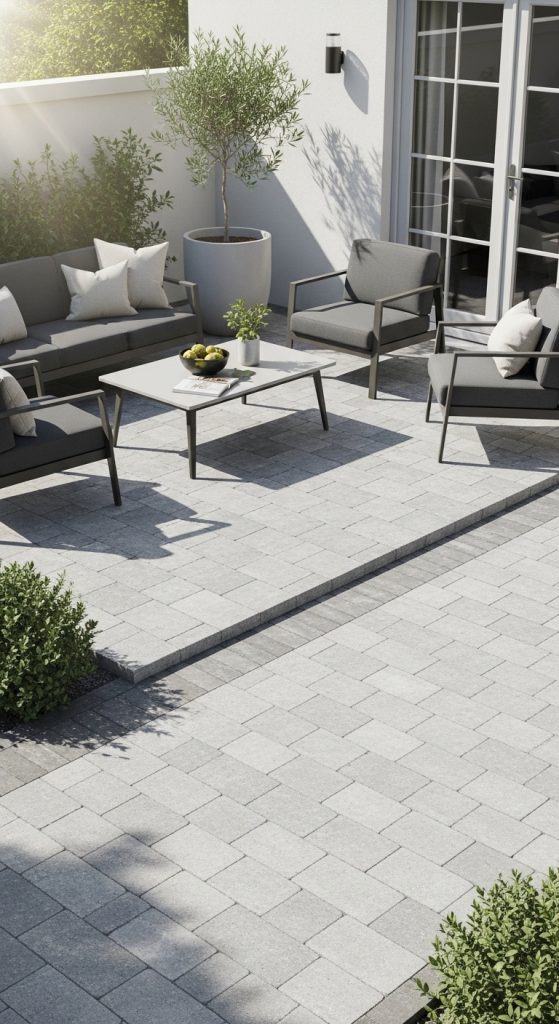
A seamless patio extension is all about creating a smooth and natural flow from your existing patio to the new space. This idea is perfect for homeowners who want their patio expansion to look cohesive and professionally designed. Instead of making the extension look like an add-on, the goal is to make it appear as though it was always part of the original layout. This approach works especially well for modern and minimalist outdoor spaces where consistency is key.
Explanation
This design uses matching or closely similar pavers to blend the old and new areas. Alignment, spacing, and color coordination play a major role in achieving a unified look.
How-to Steps
- Measure your current patio dimensions
- Select matching or complementary pavers
- Prepare the ground with proper leveling and base
- Lay pavers in the same pattern as the existing patio
- Fill joints with sand and compact the surface
Materials Needed
- Matching pavers
- Gravel base
- Sand
- Leveling tools
- Compactor
2. Raised Paver Patio Extension
Introduction
A raised patio extension adds depth and dimension to your outdoor space while solving uneven ground issues. This design is ideal for sloped yards or when you want to create a defined seating or dining area separate from the main patio. It also adds a touch of elegance and structure, making your outdoor space feel more intentional and visually appealing.
Explanation
This involves building a slightly elevated platform using retaining walls or edge restraints and filling it with pavers.
How-to Steps
- Mark the raised area layout
- Build retaining walls or edges
- Fill with gravel and compact
- Add sand layer
- Lay pavers evenly
Materials Needed
- Retaining wall blocks
- Pavers
- Gravel
- Sand
- Leveling tools
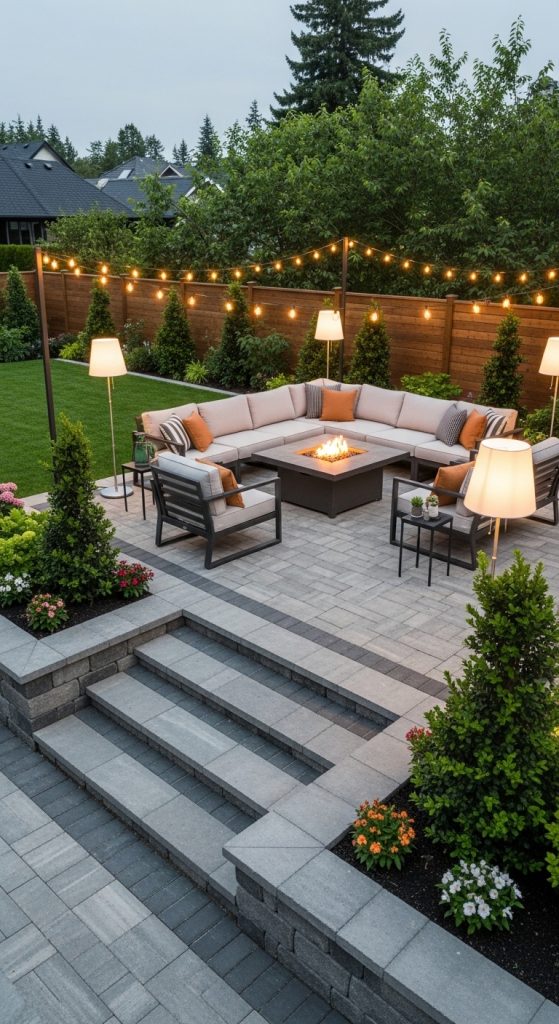
3. Curved Paver Extension
Introduction
A curved patio extension softens the look of your outdoor space and creates a more organic, flowing design. This is a great option if you want to break away from rigid, straight lines and introduce a more natural aesthetic. Curved layouts are especially effective in garden settings or landscapes with lots of greenery.
Explanation
Instead of straight edges, this design uses gentle curves to expand the patio.
How-to Steps
- Outline the curve using a hose or rope
- Excavate the area
- Install flexible edging
- Lay pavers following the curve
- Fill joints and compact
Materials Needed
- Flexible edging
- Pavers
- Sand
- Gravel
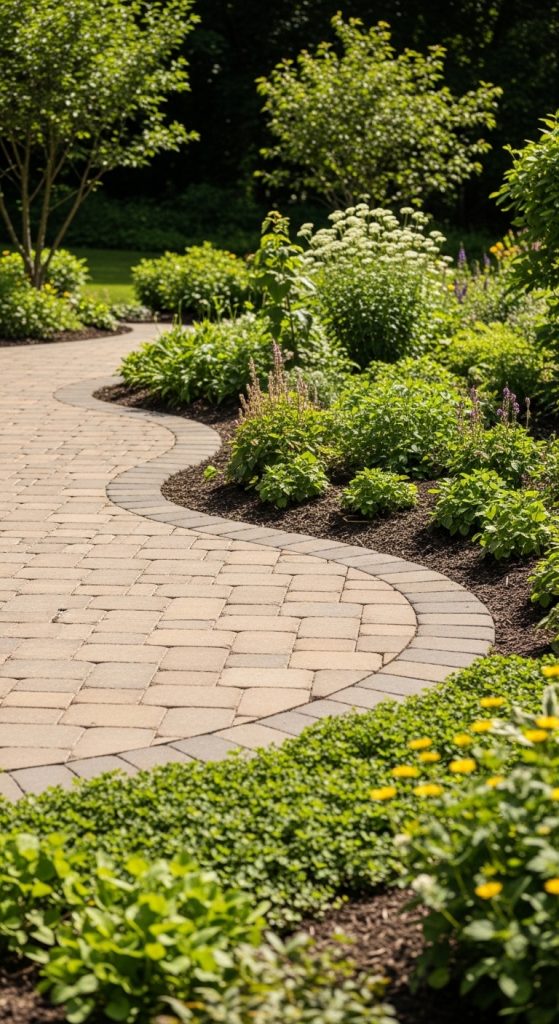
4. Patio Extension with Fire Pit Area
Introduction
Adding a fire pit to your patio extension instantly creates a cozy gathering space perfect for evenings. This idea combines functionality with ambiance, making your patio a year-round destination.
Explanation
The extension includes a central fire pit surrounded by pavers and seating.
How-to Steps
- Design circular or square layout
- Prepare base area
- Install fire pit structure
- Lay surrounding pavers
- Add seating
Materials Needed
- Fire pit kit
- Pavers
- Gravel
- Sand
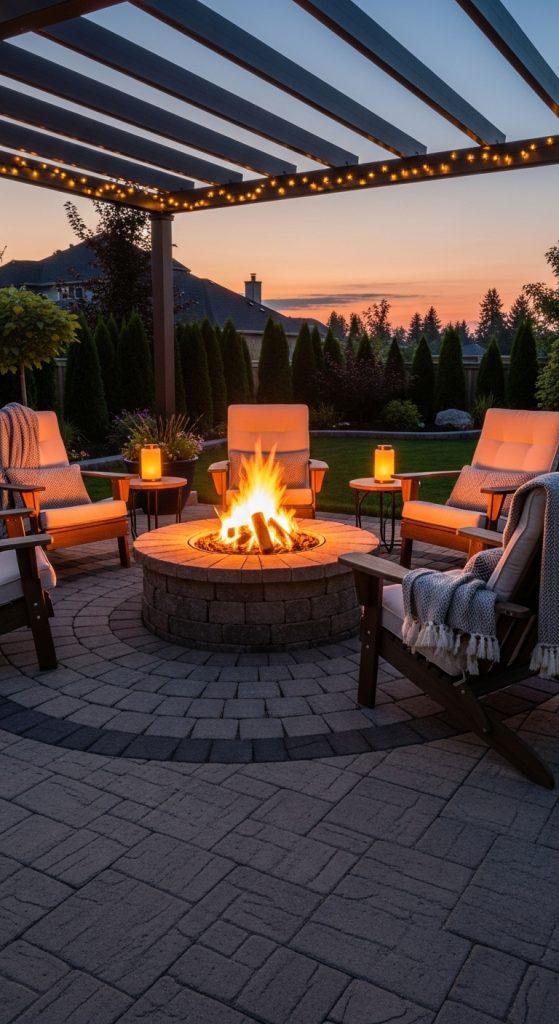
5. Multi-Level Paver Patio
Introduction
A multi-level patio extension creates distinct zones for different activities. It’s perfect for entertaining and adds a luxurious feel to your outdoor space.
Explanation
Different heights are used to separate areas like dining, lounging, or cooking.
How-to Steps
- Plan levels and layout
- Build retaining edges
- Prepare each level base
- Lay pavers
- Connect with steps
Materials Needed
- Pavers
- Retaining blocks
- Gravel
- Sand
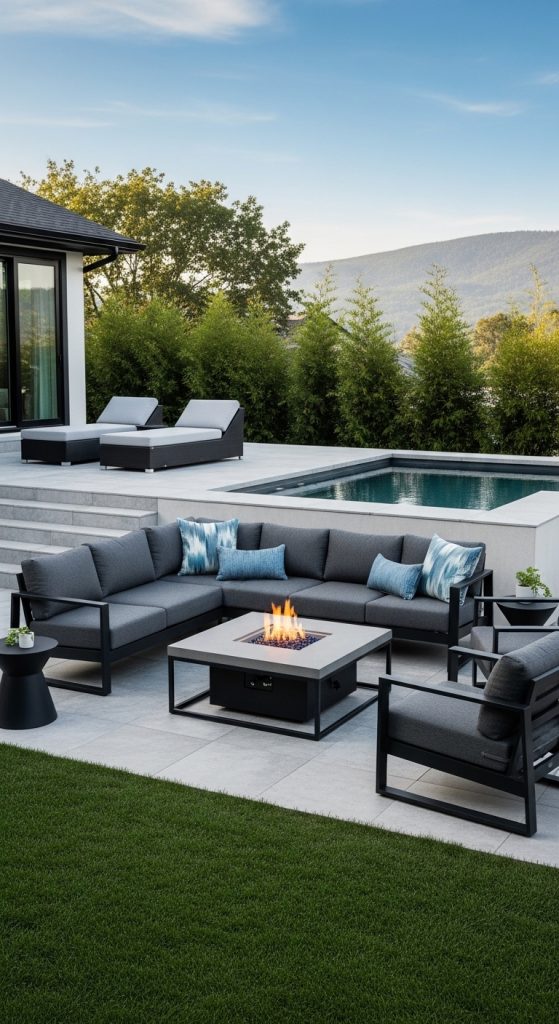
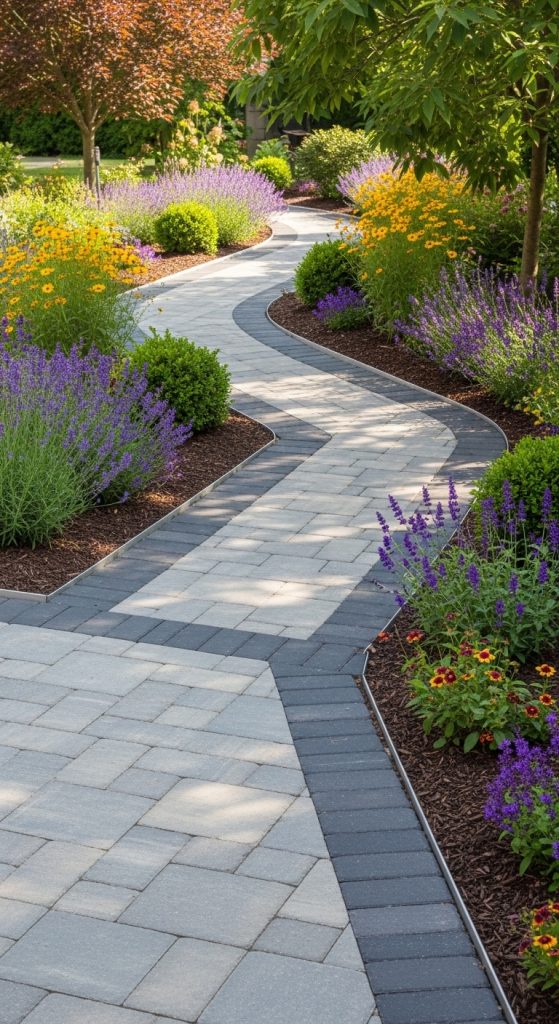
6. Paver Walkway Extension
Introduction
Extending your patio into a walkway enhances accessibility and flow. It connects different parts of your yard beautifully.
Explanation
This design extends the patio into a path using matching pavers.
How-to Steps
- Plan walkway path
- Excavate area
- Add base
- Lay pavers
- Secure edges
Materials Needed
- Pavers
- Gravel
- Sand
- Edging
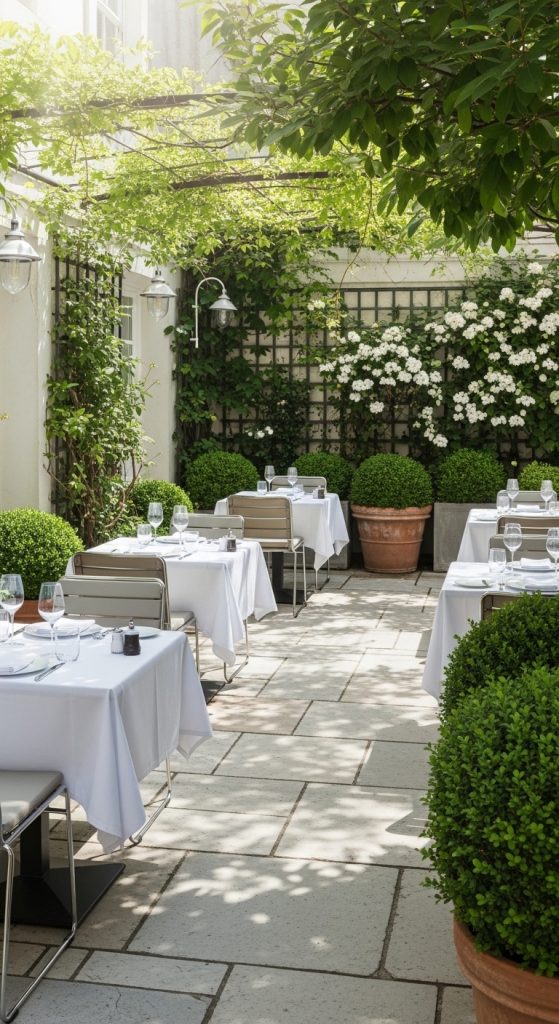
7. Outdoor Dining Patio Extension
Introduction
Creating a dedicated dining space with pavers makes outdoor meals more enjoyable and organized.
Explanation
The extension is designed specifically for a dining setup.
How-to Steps
- Measure dining space
- Prepare base
- Lay pavers
- Add furniture
- Decorate
Materials Needed
- Pavers
- Table and chairs
- Sand
- Gravel
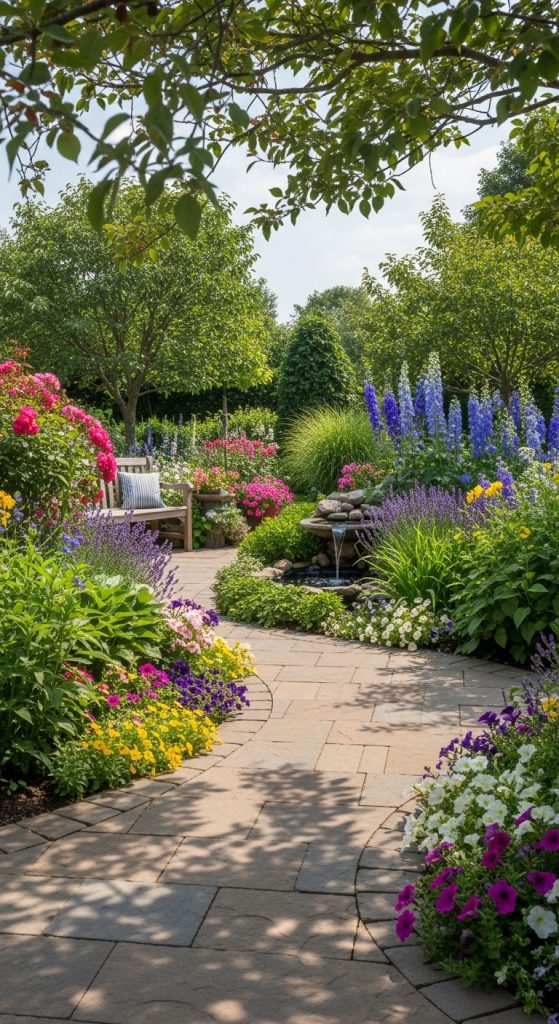
8. Garden Border Patio Extension
Introduction
Blending your patio with garden borders creates a peaceful, nature-inspired space.
Explanation
This design integrates plants around the paver extension.
How-to Steps
- Plan garden edges
- Install pavers
- Add soil and plants
- Maintain spacing
Materials Needed
- Pavers
- Plants
- Soil
- Edging
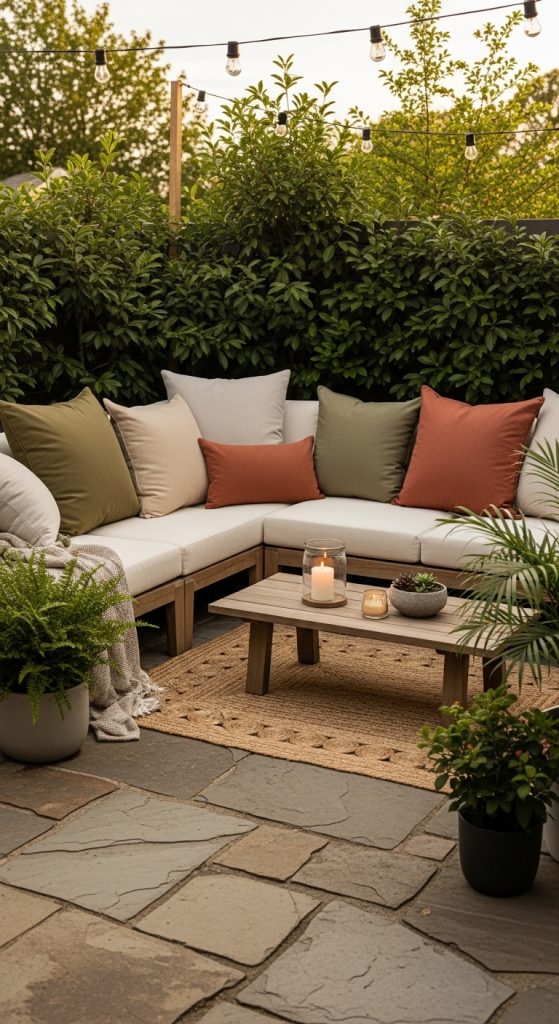
9. Small Lounge Patio Extension
Introduction
A small lounge extension focuses on comfort and relaxation, perfect for compact spaces.
Explanation
This design creates a cozy seating area with pavers.
How-to Steps
- Define lounge area
- Prepare base
- Lay pavers
- Add seating
- Decorate
Materials Needed
- Pavers
- Outdoor furniture
- Cushions
10. Decorative Pattern Paver Extension
Introduction
Using patterns in your paver extension adds visual interest and a high-end look.
Explanation
Different laying patterns create unique designs.
How-to Steps
- Choose pattern
- Prepare base
- Lay pavers accordingly
- Fill joints
- Compact
Materials Needed
- Patterned pavers
- Sand
- Gravel